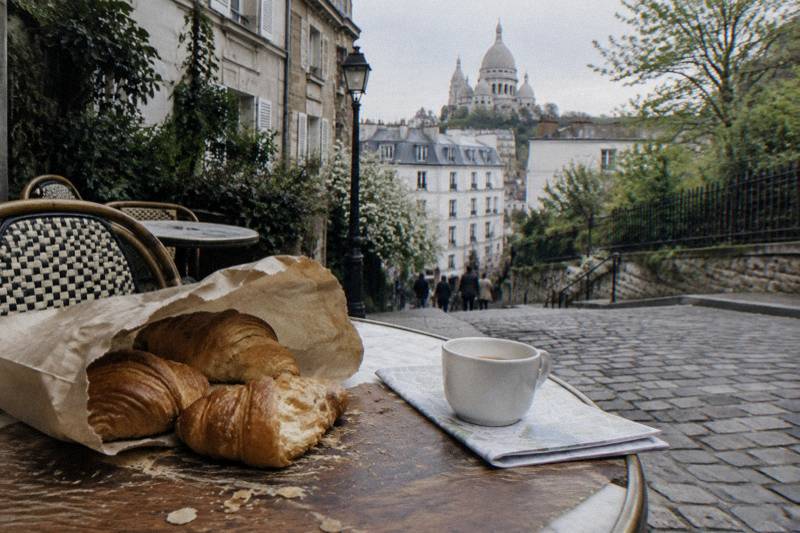
Why Is Montmartre So Famous?
Montmartre is famous for three things: the Sacre-Coeur basilica on the highest hill in Paris, the artists who lived and worked on the butte, and the cabaret culture around the Moulin Rouge. This guide explains the story behind each one.
Why Is Montmartre So Famous?
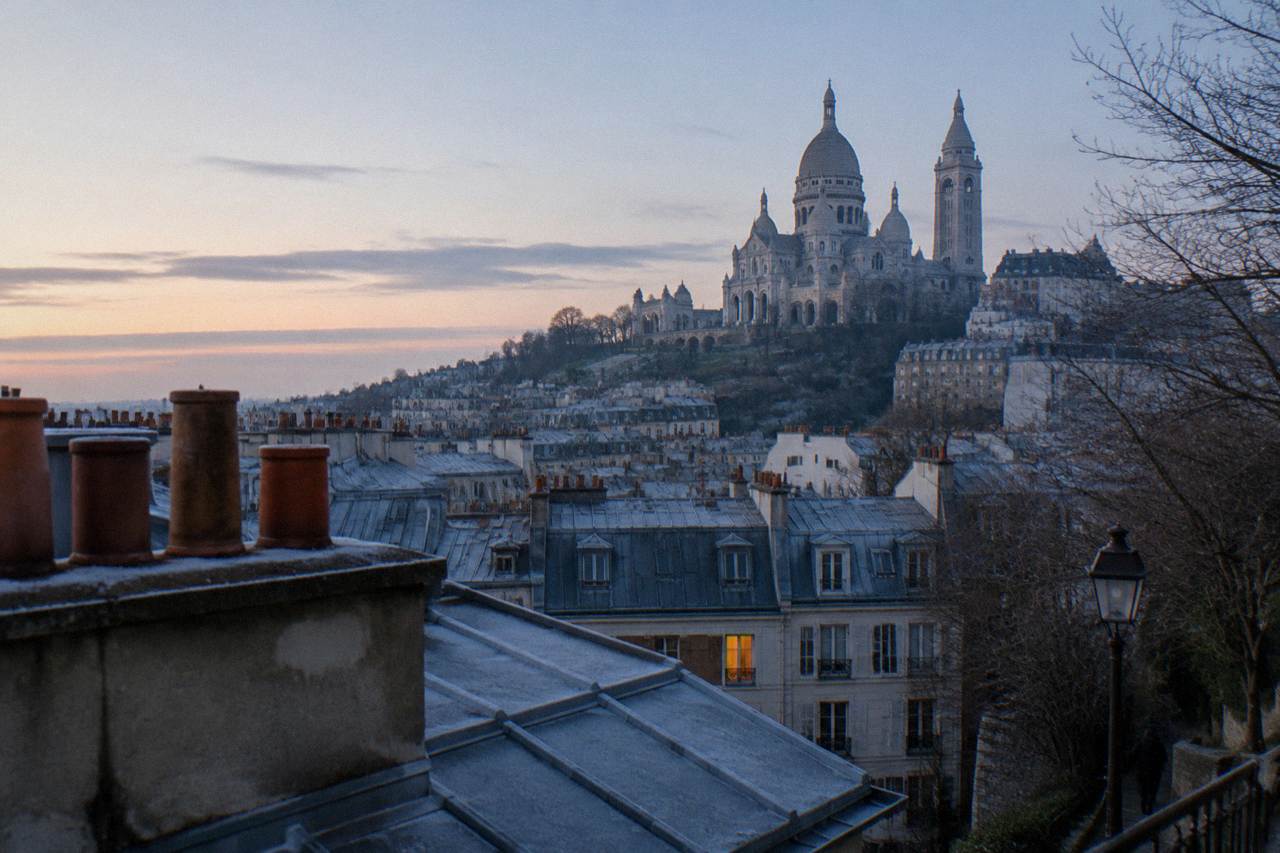
Montmartre is famous for a rare concentration of history on a single hill: the Sacre-Coeur basilica, begun in 1875 and consecrated in 1919, standing on the highest point in Paris; the artists, from Van Gogh to Picasso, who lived cheaply here and changed painting; and the Moulin Rouge, created in 1889, which exported the cancan to the world. A village that Paris absorbed kept its lanes, its stairs and its views, and that texture survives today. To see how the cabaret and the hill fit together in a single evening, our guide to pairing a Moulin Rouge show with a Montmartre walk lays out a sensible plan.
That is the short answer. The longer one is a story about geography first. The butte sits at an altitude of about 130 metres, and until the twentieth century it lay outside the expensive quarters, dotted with windmills, vineyards and cheap studios. Rent was low, light was good, and the walk home was long enough that the people who made the climb stayed and made a community. Painters, poets, models and cabaret owners all shared the same few streets.
The hill's fame compounds itself. Every layer added a reason to visit: the basilica gave it a silhouette visible from across the city, the artists gave it a legend, the cabarets gave it a reputation, and the films and songs that followed gave all three a worldwide audience. Visitors who want the compressed version can join a guided walk; the art, culture and food walk run by ExperienceFirst, 4.9 from 2,874 reviews, covers the bohemian streets in 90 minutes and is one of the most-reviewed tours of the neighbourhood, with an optional wine and cheese tasting at a historic restaurant if you upgrade.
For readers planning a visit, three tours frame the hill well: the art and culture walk above, the Montmartre for Art Lovers tour with entry to the cemetery and a sketching session, and the classic highlights walking tour, 4.9 from 2,825 reviews.
What Are The Three Things Montmartre Is Best Known For?
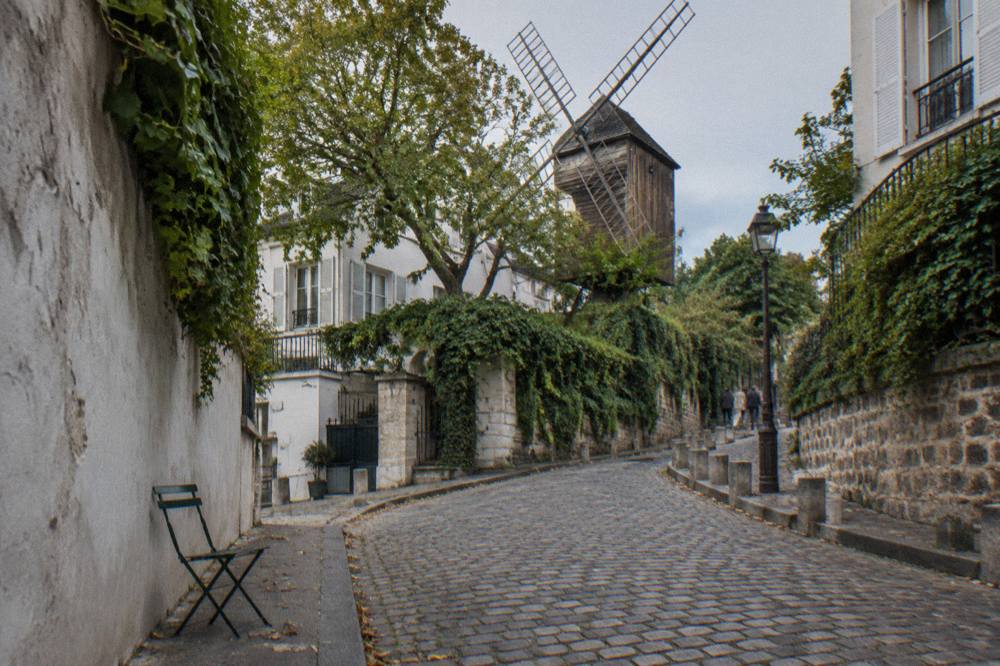
The three things Montmartre is best known for are the Sacre-Coeur basilica, free to enter and open every day from 6:30am to 10:30pm; the artists' village of the late nineteenth and early twentieth centuries, where Van Gogh, Renoir, Picasso and Suzanne Valadon all lived and worked within a few streets of each other; and the Moulin Rouge, created in 1889 at 82 Boulevard de Clichy. Everything else hangs off these three.
The three layers, side by side:
| Layer | What it is | Key Detail |
|---|---|---|
| Sacre-Coeur basilica | Free basilica on the highest point in Paris | Begun 1875, consecrated 1919; open daily 6:30am to 10:30pm; dome 8 euros adults, 5 euros children to 15, tickets on site only |
| The artists | The studios and streets of the avant-garde | Van Gogh on rue Lepic, Renoir's studio at 12 rue Cortot, Picasso's Les Demoiselles d'Avignon at the Bateau-Lavoir in 1907 |
| The cabarets | Nightlife at the foot of the hill | Moulin Rouge created 1889 at 82 Boulevard de Clichy; dinner and show evenings start at 7pm |
Start with the basilica, because it is the reason most people make the climb. The visit is free, the doors are open every day, and the dome above it charges 8 euros for adults, 5 euros for children up to 15, tickets sold on site only. The building was raised by public subscription after a national vow following the 1870 to 1871 defeat, with the first stone laid in 1875 and consecration in 1919. Its position, on the highest point in the city, made it a landmark before it was finished. That national vow, however, still divides Parisians today, and if you want the full story behind the argument, the debate over the basilica's history and politics explains what was at stake and why it still colors how people see the white domes.
The artists are the second pillar. Van Gogh lived on rue Lepic with his brother Theo during his Paris years, 1886 to 1888, and painted Montmartre scenes including the windmills. Renoir had a studio at 12 rue Cortot, now the Musee de Montmartre, where Suzanne Valadon and her son Maurice Utrillo also lived and worked. A short walk away at 13 rue Ravignan, the Bateau-Lavoir, a former piano factory turned into studios, is where Picasso painted Les Demoiselles d'Avignon in 1907. Generations of painters lived and worked on this one small hill.
The cabarets are the third. The Moulin Rouge opened in 1889, the same year the Eiffel Tower debuted, and its dinner and show evenings still start at 7pm today. The walking tours of the hill pass it from the outside; none includes a show ticket, so treat it as a landmark on the route rather than a stop you enter. The Montmartre art and history guide walks this ground in more detail, and the Sacre-Coeur tour guide covers the basilica end of the story.
Wondering whether a guided route through these three layers is worth booking before you travel?
What Is So Special About Montmartre?
What is special about Montmartre is that it still feels like a village inside a capital city: 222 public steps climb to the basilica, the summit sits at an altitude of about 130 metres above sea level, and the lanes keep their cobbles, stairways and small shops. The hill was built up before the boulevards reached it, so its street plan never straightened. That is rare in Paris and it is the hill's whole character.
The geography does real work here. Because the butte is steep, cars are few and stairways do the connecting, which keeps the lanes quiet and gives the neighbourhood its village rhythm. The funicular, running since 1900, carries passengers up in a minute and a half for the price of a metro ticket, and the climb it spares you is the same one artists made on foot for decades. Views open at odd moments between houses rather than from one designed terrace, which is why the hidden-gems walking tour run by Intrepid Urban Adventures, 4.9 from 1,031 reviews, sells itself on scenic stairways and panoramic viewpoints as much as on history, with a freshly baked croissant from an award-winning bakery included. The rest of the planning pages sit on Montmartre Paris Tours.
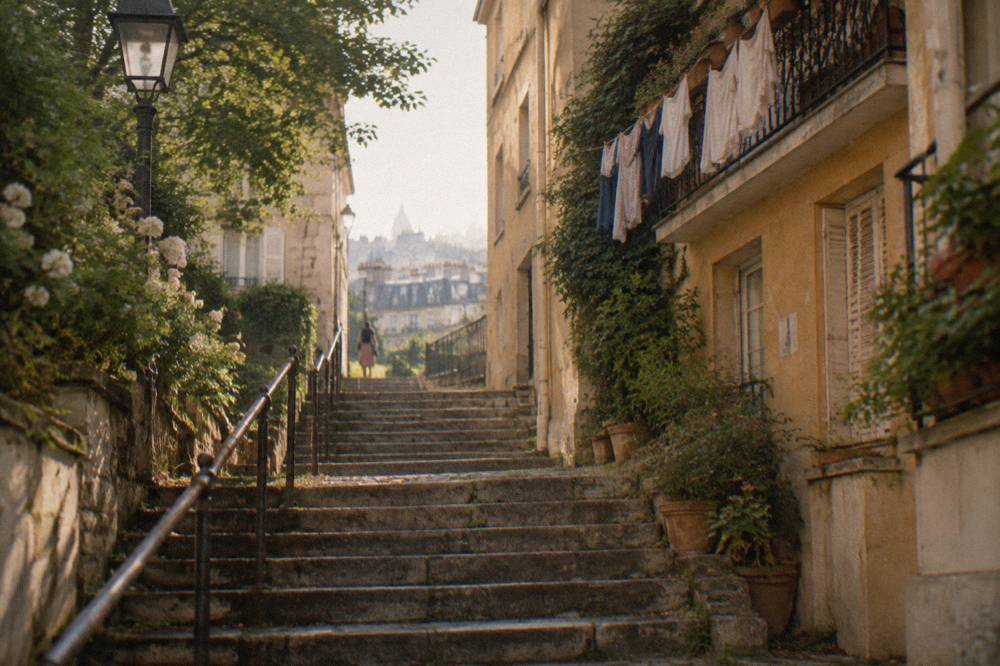
The texture is what people photograph. Vines still grow at the Clos Montmartre, 1,762 of them on a small walled plot at 14 rue des Saules, about a tonne of grapes a year vinified in the town hall cellars into close to 2,000 bottles. Public access inside the vineyard is by guided visits only, a rule worth knowing before you plan a look. The Wall of Love at Square Jehan-Rictus spells "I love you" in 250 languages across 612 enamelled tiles. None of this is a grand monument; it is a hill that kept its small things, and the small things are the special part.
For visitors who want the stairways and the viewpoints explained rather than discovered by accident, that hidden-gems walk is the natural fit.
What Is The Story Behind Montmartre?
The story behind Montmartre runs from rural hill to artistic legend in about fifty years. It was still windmills and vineyards when cheap rents began drawing artists, with Van Gogh arriving in 1886 and Picasso settling at the Bateau-Lavoir, where he painted Les Demoiselles d'Avignon in 1907. The Moulin Rouge opened in 1889, the basilica's first stone was laid in 1875, and the hill became the most famous artist quarter in the world.
The name and the early history are older than all of this, but hard evidence is thin, so treat the deep past as background rather than a list of dates. What the sources support firmly is the turning point: the hill's altitude and its position just outside the built-up city made it cheap, and cheap made it interesting. Painters came for studios, models came for the painters, cabarets came for everyone, and each arrival made the next one more likely. The basilica, raised by public subscription on the summit, gave the whole scene a white crown visible from across the city.
The art colony's afterlife is unusual. When Montmartre became fashionable and rents rose, the avant-garde moved on, but the legend stayed and became the product. The Musee de Montmartre at 12 rue Cortot, open every day from 10am to 6pm, occupies one of the oldest buildings on the butte and shows the studio where Renoir worked and the rooms where Valadon and Utrillo lived. On Place du Tertre, the Carre aux Artistes still runs 124 numbered pitches under city rules, each shared by two authorised artists, original signed works only, with a 334.28 euro annual fee to the Ville de Paris. Painting in the square is not a tourist show; it is a licensed continuation of what the hill was.
That continuity is why the story holds up for visitors. The studios are museums now, but the vineyard still produces a yearly cuvee named after a Montmartre figure, and the artists still work in the open air. The hill did not preserve a monument, it preserved a working culture.
What Is Montmartre Famous For?
Montmartre is famous for the same three things today as a century ago, in modern form: the Sacre-Coeur and its dome view over all of Paris; Place du Tertre and its licensed portrait artists working in the open air; and the food, wine and cabaret culture running from the Moulin Rouge up through the village streets. Add the vineyard, the Wall of Love and the deepest metro station on the line.
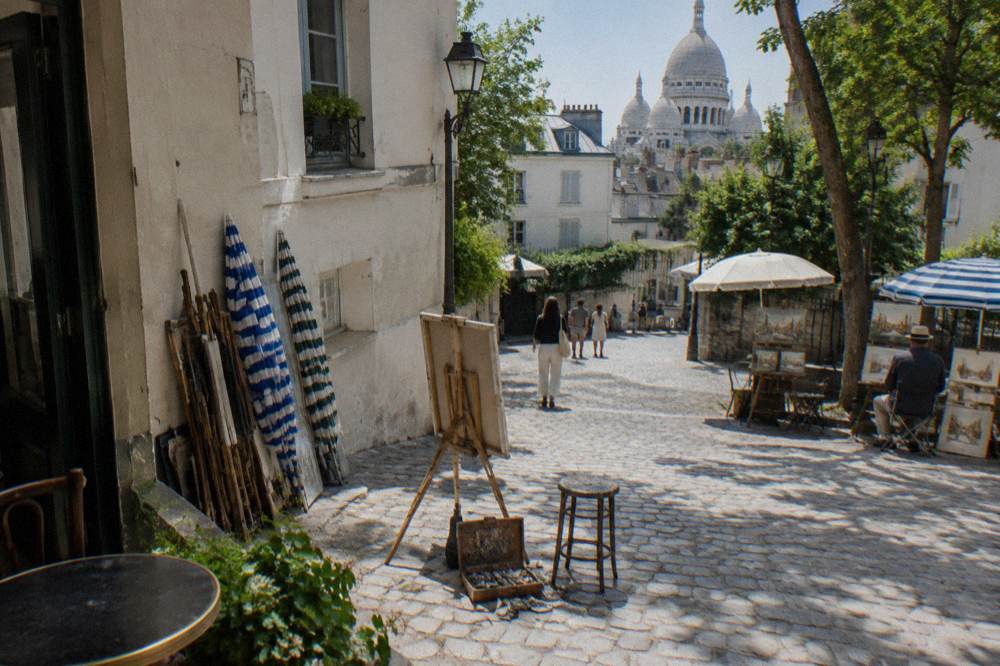
The visitor-facing sights, in one view:
| Sight | What you see | Practical detail |
|---|---|---|
| Sacre-Coeur dome | Panorama over Paris from the basilica roof | About 280 steps, no elevator; adults 8 euros, children to 15 five euros; open daily from 10:30am, last admission about 7pm |
| Place du Tertre | Portrait artists and painters at work | 124 licensed pitches, each shared by two authorised artists; original signed works only |
| Clos Montmartre | The last working Paris vineyard | 1,762 vines at 14 rue des Saules; guided visits only, no free wandering |
| Wall of Love | "I love you" in 250 languages | 612 enamelled tiles at Square Jehan-Rictus, Place des Abbesses |
| Musee de Montmartre | Renoir's studio and Valadon's rooms | Open daily 10am to 6pm, last admission 5:15pm |
The modern version of the hill is best eaten as well as seen. The food scene here is genuinely rooted, not invented for visitors: the cheese, wine and pastry walking tour, 4.9 from 2,395 reviews, runs three hours through tastings of pastries, chocolates, cheese and charcuterie in a group capped at 12, and it is the deepest-reviewed food tour of the neighbourhood. Shorter and cheaper, the highlights walking tour with a local guide, 4.9 from 2,825 reviews, covers the landmarks in 2 hours 20 minutes and carries a "likely to sell out" badge on its listing. The prettiest street in Montmartre question has its own answer, and it sits on this same hill.
For visitors who want the basilica end of the story with the bohemian streets attached, the Montmartre Highlights walk run by My Super Tour, 4.9 from 249 reviews, pairs the lanes with the Sacre-Coeur in two hours.
The food-and-wine layer deserves its own mention because it is the oldest layer of all. The vineyard predates the artists, the harvest festival is in its 93rd edition, and the hill's restaurants sit on streets that were cheap because of the climb. The cheese, wine and pastry route below is the fullest tasting version.
Whether fame has spoiled the hill is the fair question, and the honest answer is that it has changed it. The crowds on the steps below the basilica are real, a 10 to 15 minute wait at the entrance is possible between 10:30am and 5pm, and the residential streets ask for a quieter attitude than a festival site. But the layers underneath, a working vineyard, licensed artists, a museum in a painter's studio, are not replicas. That is the difference between Montmartre and a theme-park version of itself, and it is why the fame keeps renewing.
If the layers above sound like a full day rather than a photo stop, the how many hours you need in Montmartre question is worth settling before you book anything, and the three walks below cover the art, the landmarks and the food in one list.
Common Questions About Montmartre
Why Is Montmartre So Famous?
Montmartre is famous for the Sacre-Coeur basilica on the highest point in Paris, the artists who lived and worked on the hill from Van Gogh's arrival in 1886, including Renoir, Picasso and Suzanne Valadon, and the Moulin Rouge, created in 1889. The village street plan survived the boulevards, so the lanes, stairs and views that made it attractive to artists are still there for visitors.
What Are The Three Things Montmartre Is Best Known For?
The basilica, the artists and the cabarets. Sacre-Coeur is free to enter and open daily, the artists' studios from Van Gogh's rue Lepic years to Picasso's Bateau-Lavoir are now museums and marked streets, and the Moulin Rouge still runs its dinner and show evenings from 7pm at 82 Boulevard de Clichy.
What Is So Special About Montmartre?
It is a village inside Paris, with 222 public steps to the basilica, a working vineyard of 1,762 vines, and lanes that were never straightened. The hill was cheap, which is why artists came, and it was steep, which is why the village texture survived.
What Is Montmartre Famous For?
Today it is famous for the basilica and its dome view, the portrait artists on Place du Tertre working under city licence, the vineyard and its harvest festival, the Wall of Love in 250 languages, and a food scene that runs from the Moulin Rouge at the foot of the hill to the cafes at the top.
Did Picasso Really Live In Montmartre?
Picasso settled at the Bateau-Lavoir at 13 rue Ravignan in 1904 and painted Les Demoiselles d'Avignon there in 1907. The building burned in 1970 and was rebuilt in 1978; it now functions as artists' studios and is viewable from the outside only.
Can You Visit The Clos Montmartre Vineyard?
Only on guided visits; the vineyard at 14 rue des Saules is not open for wandering. During the Fete des Vendanges, guided visits of the vines are scheduled with booking required. The Musee de Montmartre gardens overlook the clos, and that terrace is the easiest legitimate view.